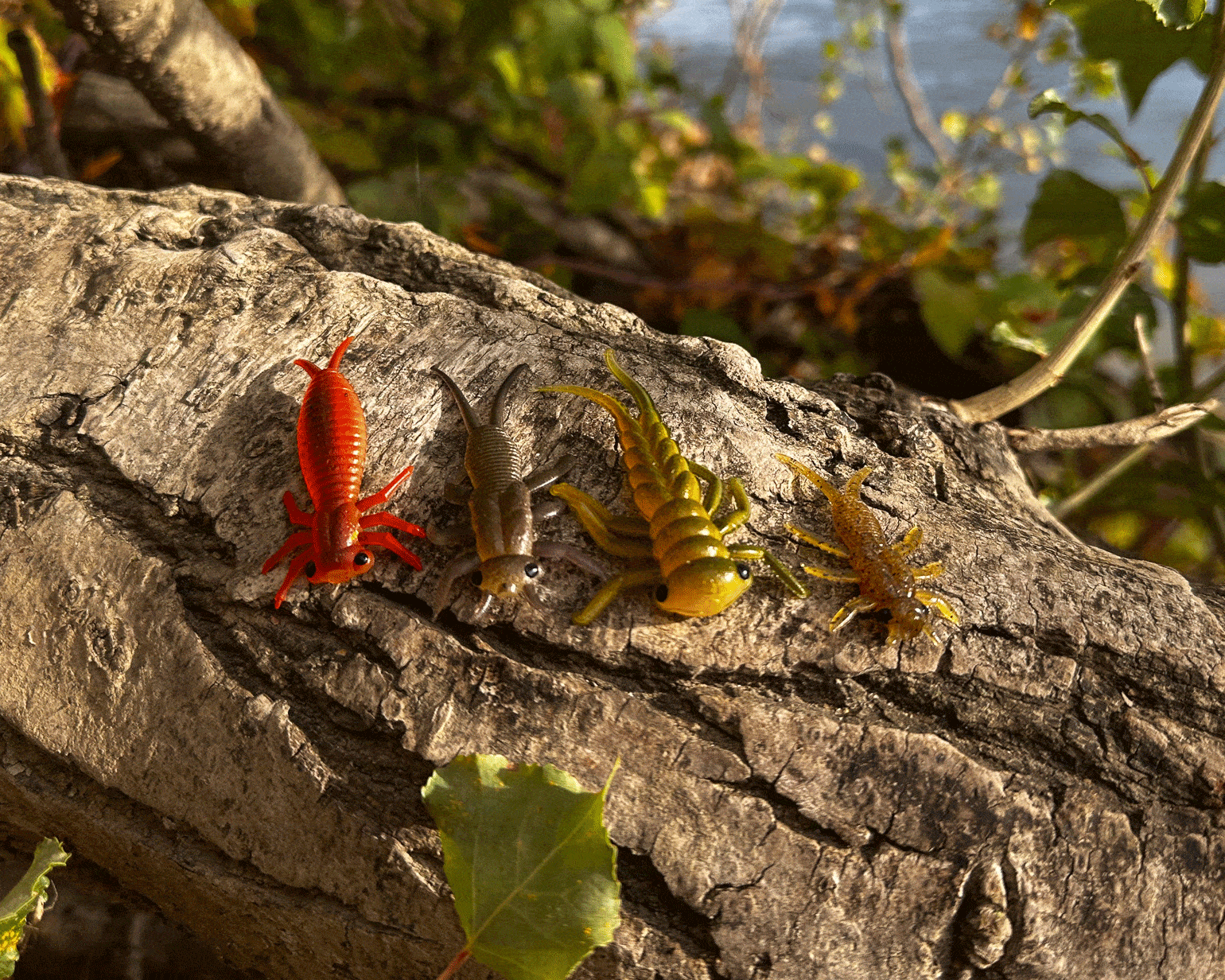
Leurre insecte Delalande : Larva et Perla pour les pêches estivales
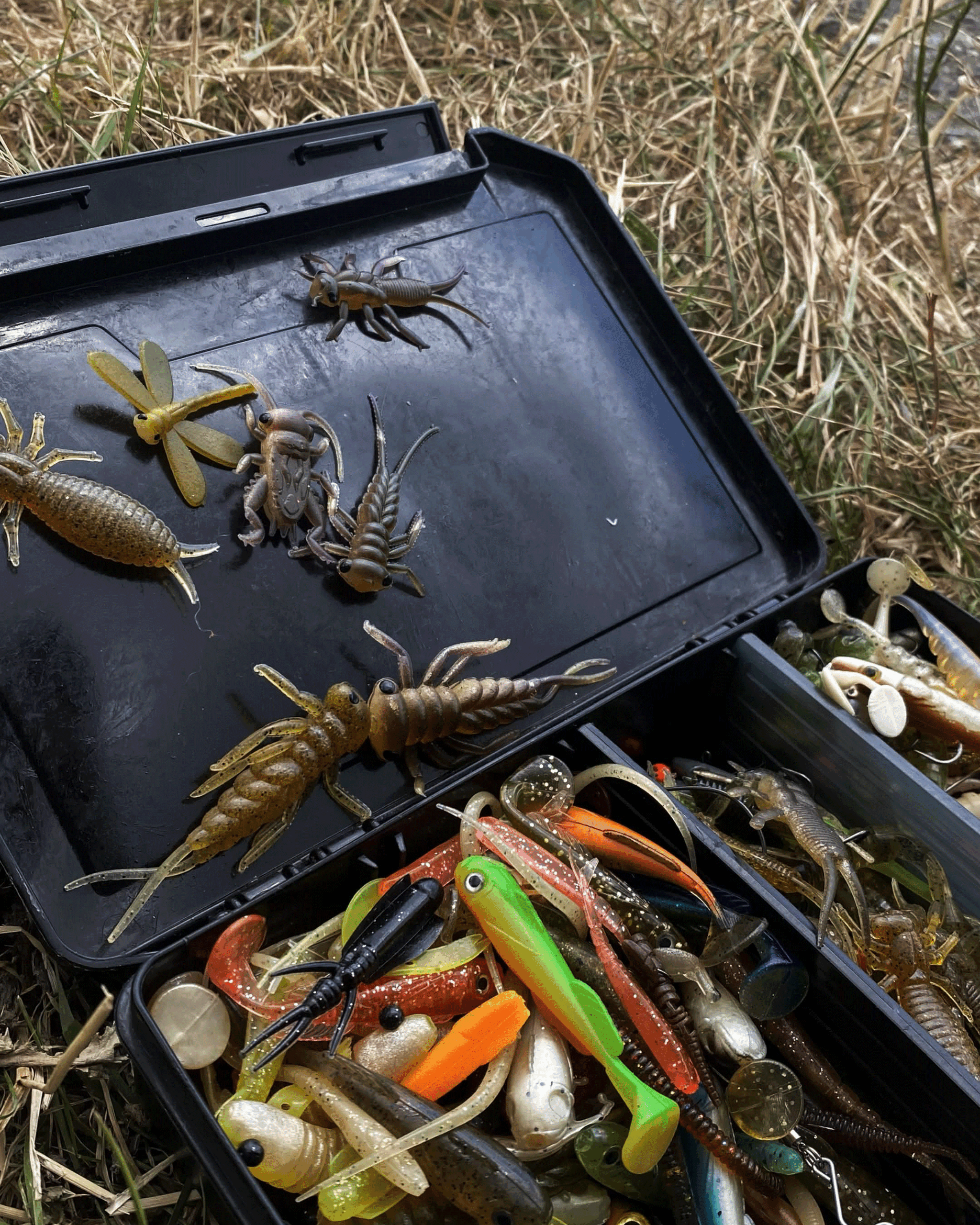
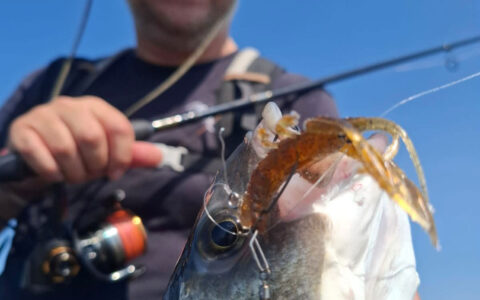
Lorsque les températures augmentent, un leurre insecte devient particulièrement efficace pour cibler les carnassiers qui se nourrissent naturellement de larves, d’insectes et de petites proies. Avec les Larva et Perla, Delalande propose deux leurres souples flottants spécialement conçus pour imiter fidèlement ces proies estivales.
Disponibles en deux tailles ainsi qu’en versions pré-montées, ces leurres insectes offrent de nombreuses possibilités de montage. Pour ma part, je privilégie les modèles non montés afin d’adapter ma présentation aux postes et aux conditions du moment.
Découvrez également notre gamme complète de leurres souples Delalande afin de compléter votre boîte de pêche.
Trois montages pour exploiter un leurre insecte
Au fil de nombreuses sorties, trois montages se sont révélés particulièrement efficaces avec les Larva et Perla :
- Sur tête plombée légère
- En drop shot
- En split-shot
Chaque présentation possède ses avantages et permet de tirer pleinement parti de la flottabilité et du réalisme de ces leurres.
Leurre insecte sur tête plombée légère
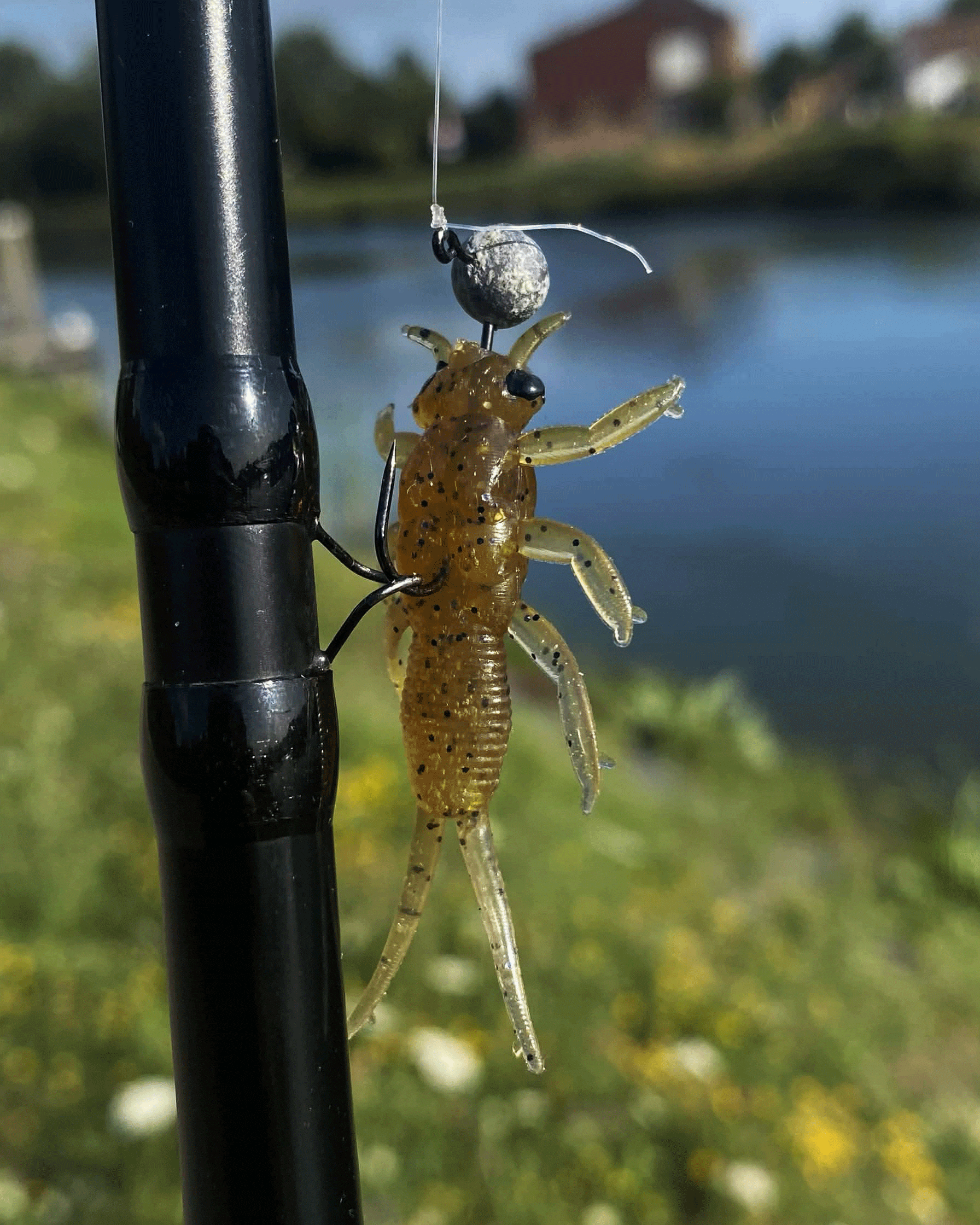
J’utilise principalement les têtes plombées Macadam Delalande, le plus souvent en 1 gramme. Ce faible grammage procure une descente lente et naturelle qui laisse au leurre le temps d’exprimer pleinement sa nage.
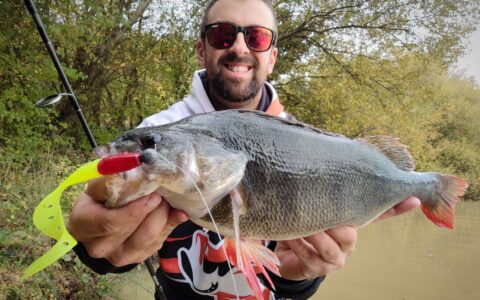
Une fois arrivé sur le fond, la matière flottante fait toute la différence. Le leurre insecte se redresse naturellement et conserve une position très réaliste, un détail qui déclenche régulièrement les attaques des perches.
Je suis convaincu que les truites réagiront également très bien à cette présentation, même si je n’ai pas encore eu l’occasion de l’expérimenter pleinement.
Les Larva et Perla s’associent parfaitement aux têtes plombées Delalande.
Leurre insecte en drop shot
Le montage en drop shot met parfaitement en valeur les qualités naturelles de ce leurre insecte. L’objectif consiste à maintenir le leurre légèrement décollé du fond tout en lui imprimant de légères animations.
Grâce à leur flottabilité, les Larva et Perla restent constamment en mouvement sans nécessiter de grandes amplitudes d’animation. Leur silhouette très naturelle inspire rapidement confiance aux poissons, et les touches interviennent souvent après seulement quelques secondes.
Les poissons engament généralement très bien le leurre, ce qui permet d’obtenir un excellent taux de réussite au ferrage.
Leurre insecte en split-shot
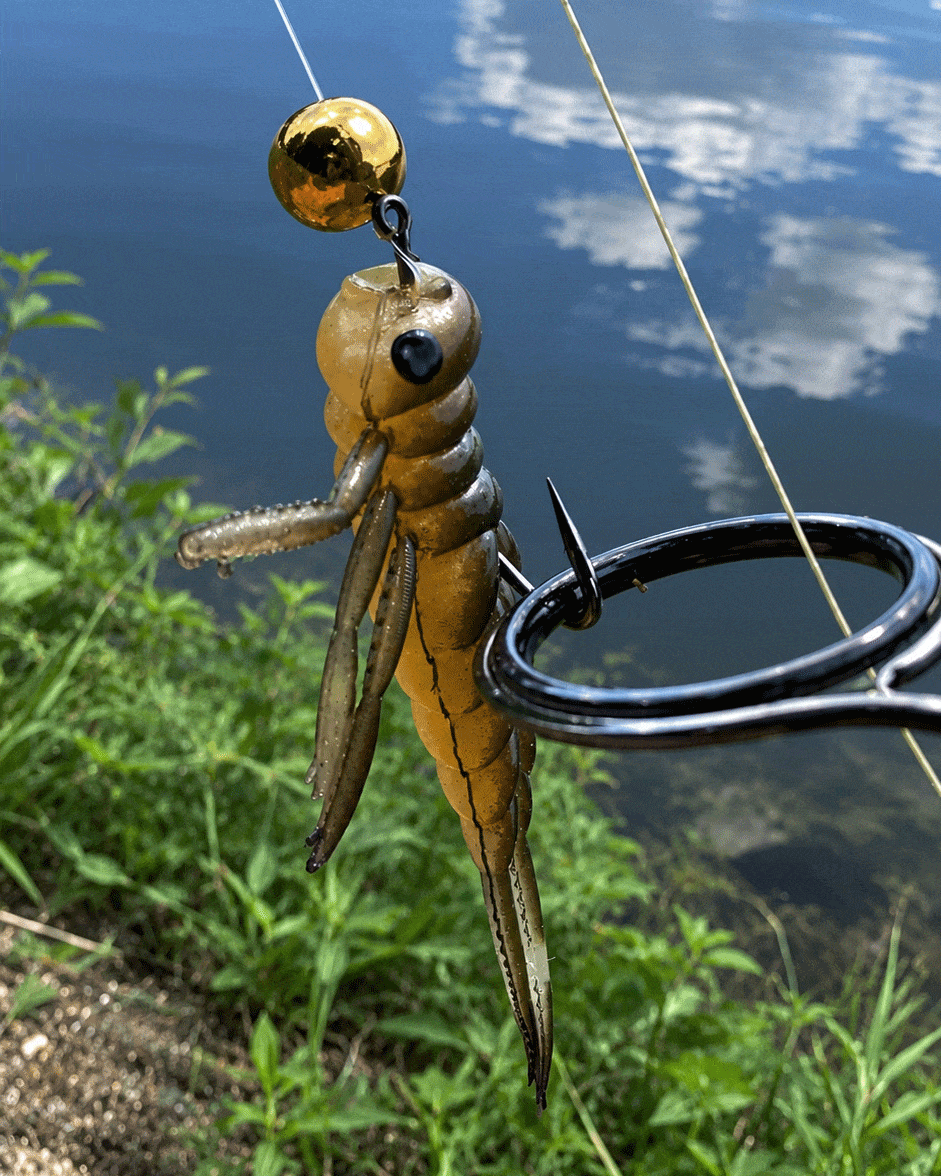
Depuis le début de l’été, il s’agit de mon montage préféré. Il se compose simplement d’une petite bille en tungstène coulissante placée au-dessus d’un hameçon simple.
Selon la profondeur et les conditions météorologiques, j’utilise des plombées comprises entre 1 et 3 grammes. La récupération est lente et alterne de petites tirées et des relâchés immédiats.
À chaque animation, le leurre se décolle du fond. Lors de la descente, la bille de tungstène redescend rapidement tandis que le leurre coule beaucoup plus lentement. Ce comportement rappelle celui d’un free rig et provoque régulièrement des attaques.
Une fois revenu sur le fond, ce leurre insecte reste parfaitement droit grâce à sa matière flottante. Cette présentation très naturelle fait souvent la différence lorsque les poissons deviennent méfiants.
Leurre insecte en surface
Les Larva et Perla peuvent également être montés sur un simple hameçon afin d’être utilisés en surface. Cette présentation discrète imite parfaitement un insecte tombé à l’eau ou une petite proie évoluant juste sous la pellicule.
Pourquoi choisir un leurre insecte Delalande ?
Depuis le début de l’été, les Larva et Perla m’accompagnent régulièrement au bord de l’eau. J’apprécie particulièrement leur flottabilité, leur réalisme et leur polyvalence, qui permettent de s’adapter facilement à différentes conditions de pêche.
Que ce soit sur une tête plombée légère, en drop shot ou en split-shot, ce leurre insecte offre une présentation particulièrement naturelle et déclenche régulièrement les attaques des perches. Son efficacité et sa simplicité d’utilisation en font une excellente option pour les pêches estivales.
Si vous recherchez un leurre insecte discret, polyvalent et particulièrement efficace pour les perches durant les beaux jours, les Larva et Perla méritent assurément une place dans votre boîte de pêche.
Fred LeBaron