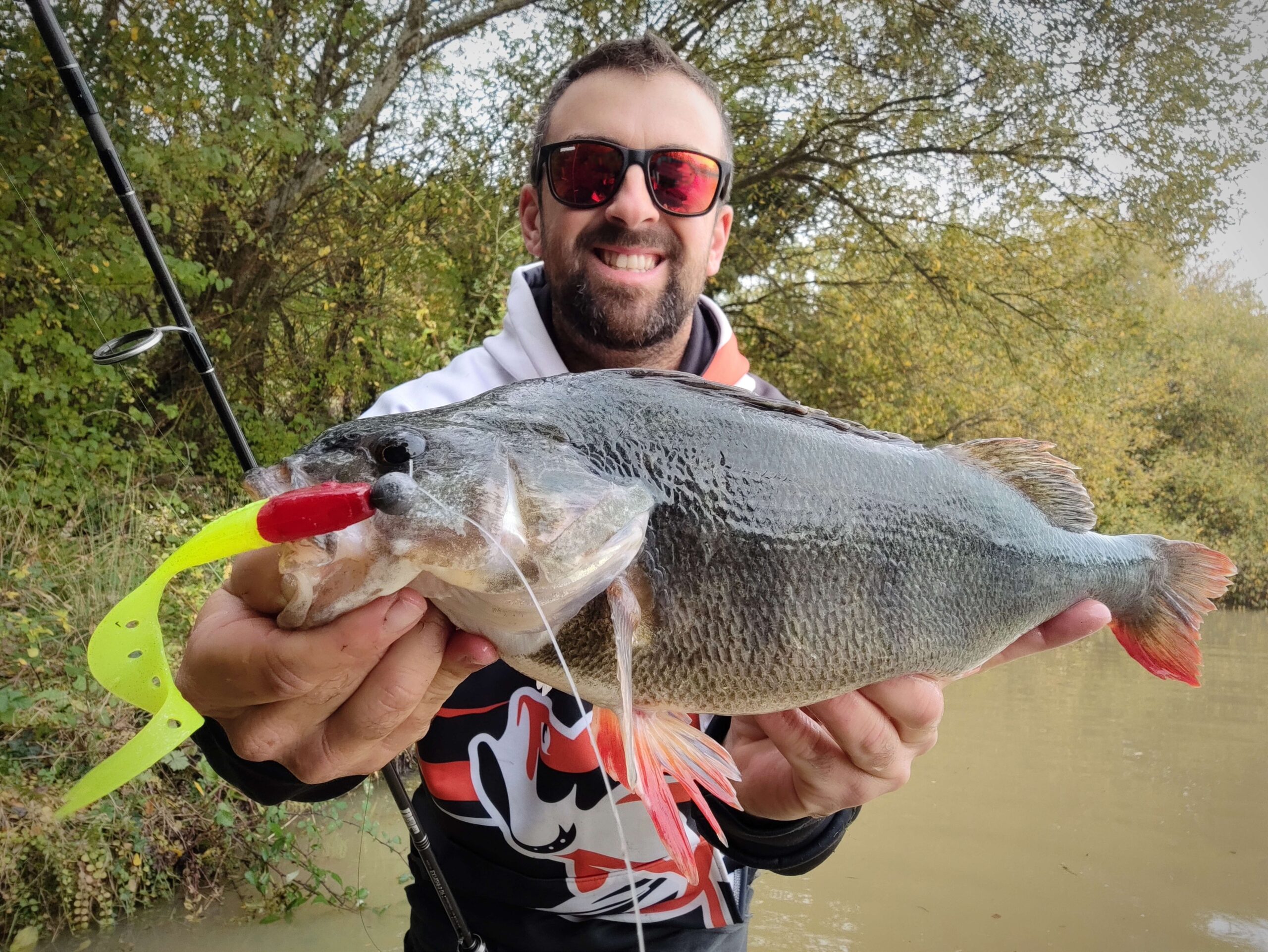
Predator Fishing: How to Successfully Rig a Jig Head
Predator fishing requires technical precision right from the preparation of your gear. Indeed, a poorly rigged lure will lose its attractiveness and risks not triggering strikes from the most wary fish. In this quick tutorial, we will explain step-by-step how to correctly attach a jig head to your soft bait, using the iconic Sandra as an example.

⚙️ Key Steps for a Perfect Predator Rig
To start, it is essential to choose the right equipment. You will need a high-quality soft lure and a jig head adapted to its size. Once you have these, follow this simple method:
- Measurement: Place the jig head along the lure’s body to visualize exactly where the hook should come out.
- Marking: Make a slight mark with the hook point on the back of the lure. This step is crucial as it guarantees the final alignment.
- Insertion: Pierce the hook into the center of the lure’s head and slide it gently into the rubber, staying perfectly centered in the axis.
Then, make the hook point emerge precisely at your marking. Finally, adjust the rubber against the lead so that the entire assembly is perfectly straight. Consequently, your lure will have a natural and balanced action during your next predator fishing sessions.
🎣 Why is alignment crucial for predator fishing?
On the other hand, many beginners neglect the straightness of the rig. However, a “banana-shaped” (twisted) lure will spin during the retrieve. Moreover, this can cause line twist and, above all, spook zander or perch. Thus, taking 30 extra seconds to perfect your rig significantly increases your chances of success.