Sea bass love structures during a rising tide
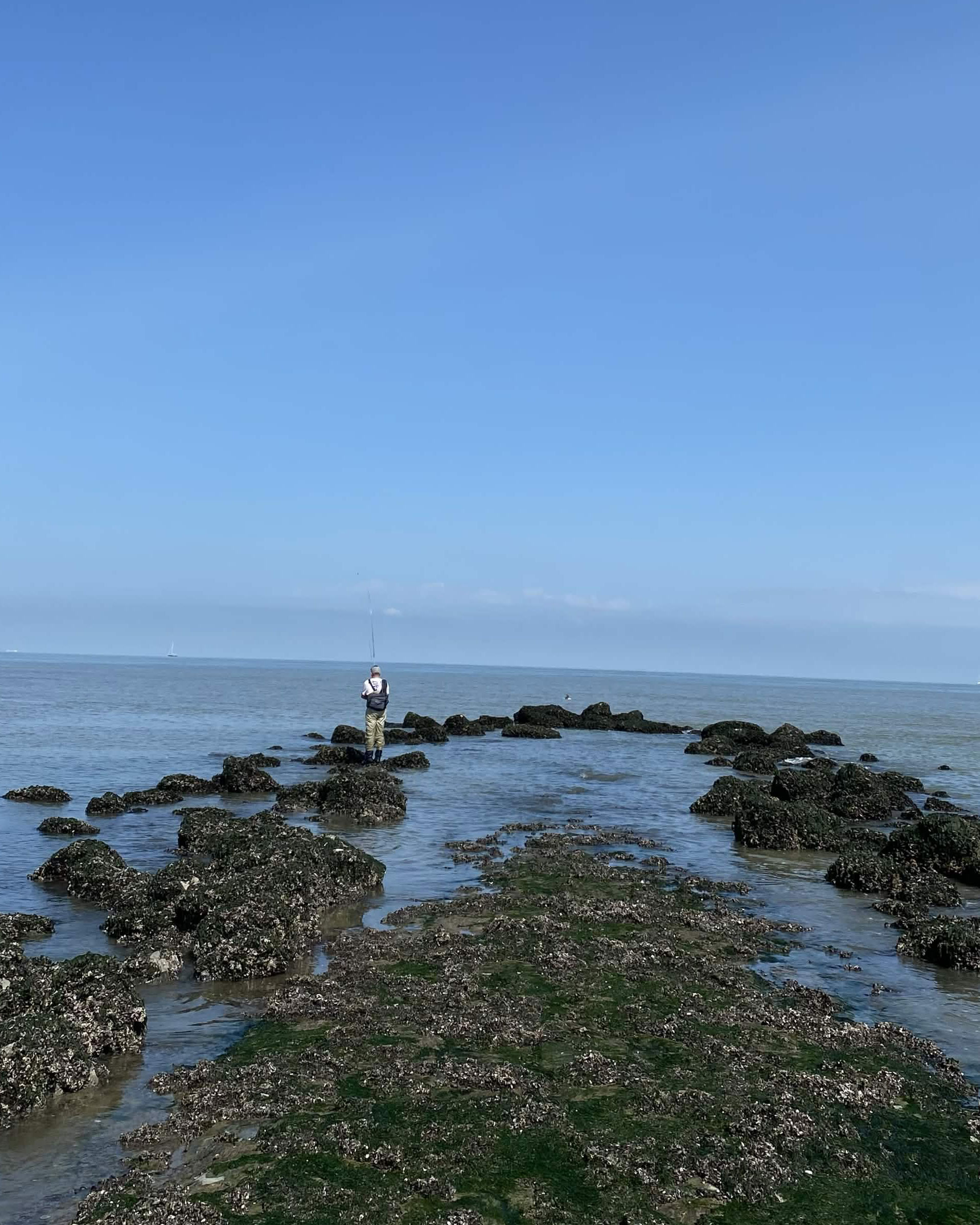
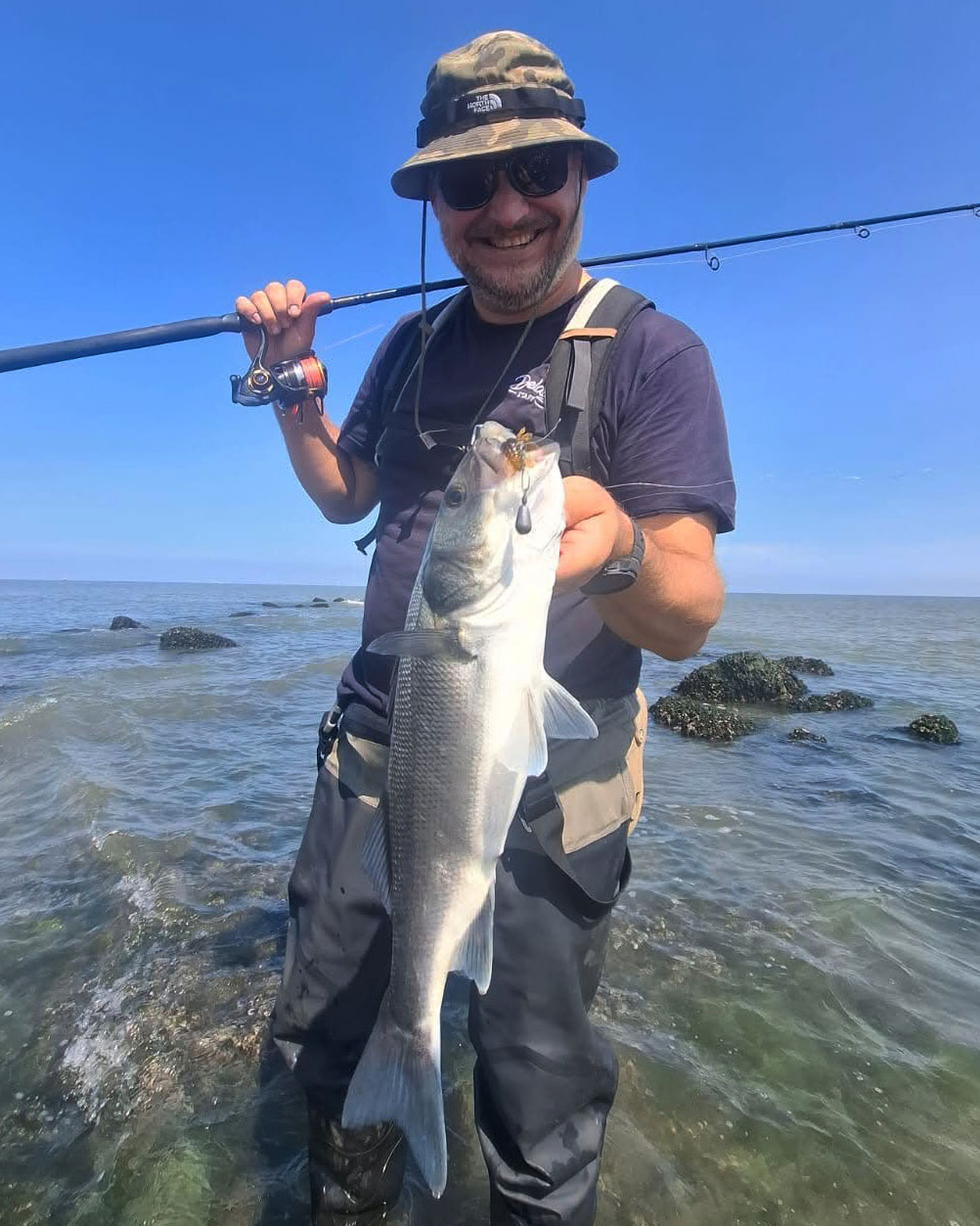
During my latest shore fishing session for sea bass, I confirmed a theory I had been developing for some time.
When the tide rises, it seems logical that sea bass quickly move in to take advantage of the activity developing around the structures scattered along the coastline.
These areas are particularly interesting for sea bass fishing during a rising tide. Structures retain and concentrate numerous organisms. They become focal points of activity and naturally attract fish looking for food.
The same phenomenon can be observed in rocky areas exposed to strong tidal currents. Crabs, shrimp and small fish gather there, creating a real feast for predators.
The Craw, an extremely effective soft lure for sea bass
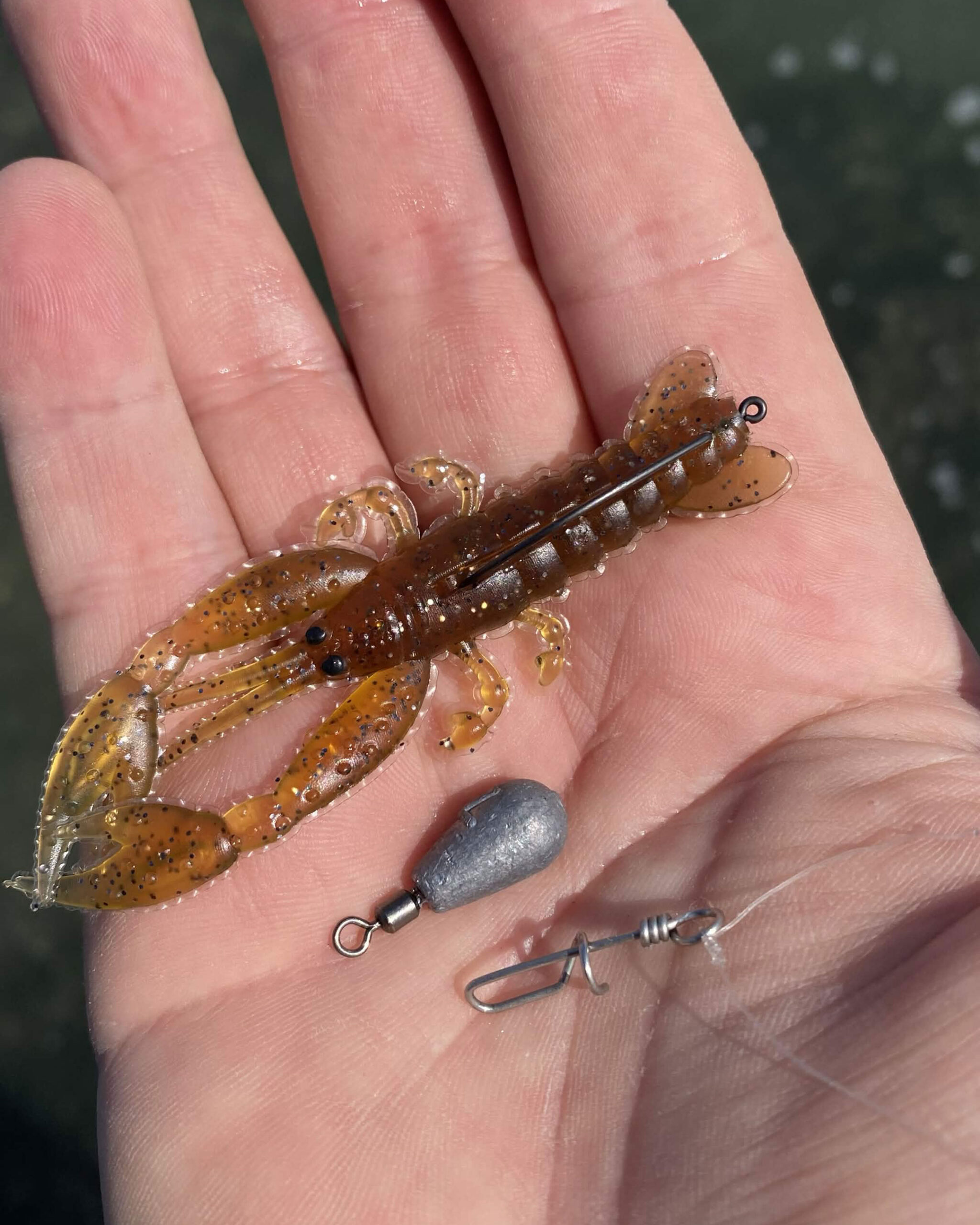
In the past, I spent a lot of time fishing with the Crazy Craw rigged weedless, and today I really enjoy using the Craw.
Its new material and design have made the claws buoyant, which significantly improves both the action and presentation of the lure.
Possible rigs
- Texas rig
- Carolina rig
- Jig head
- Drop-shot rig
- Tokyo rig
The rig that makes all the difference
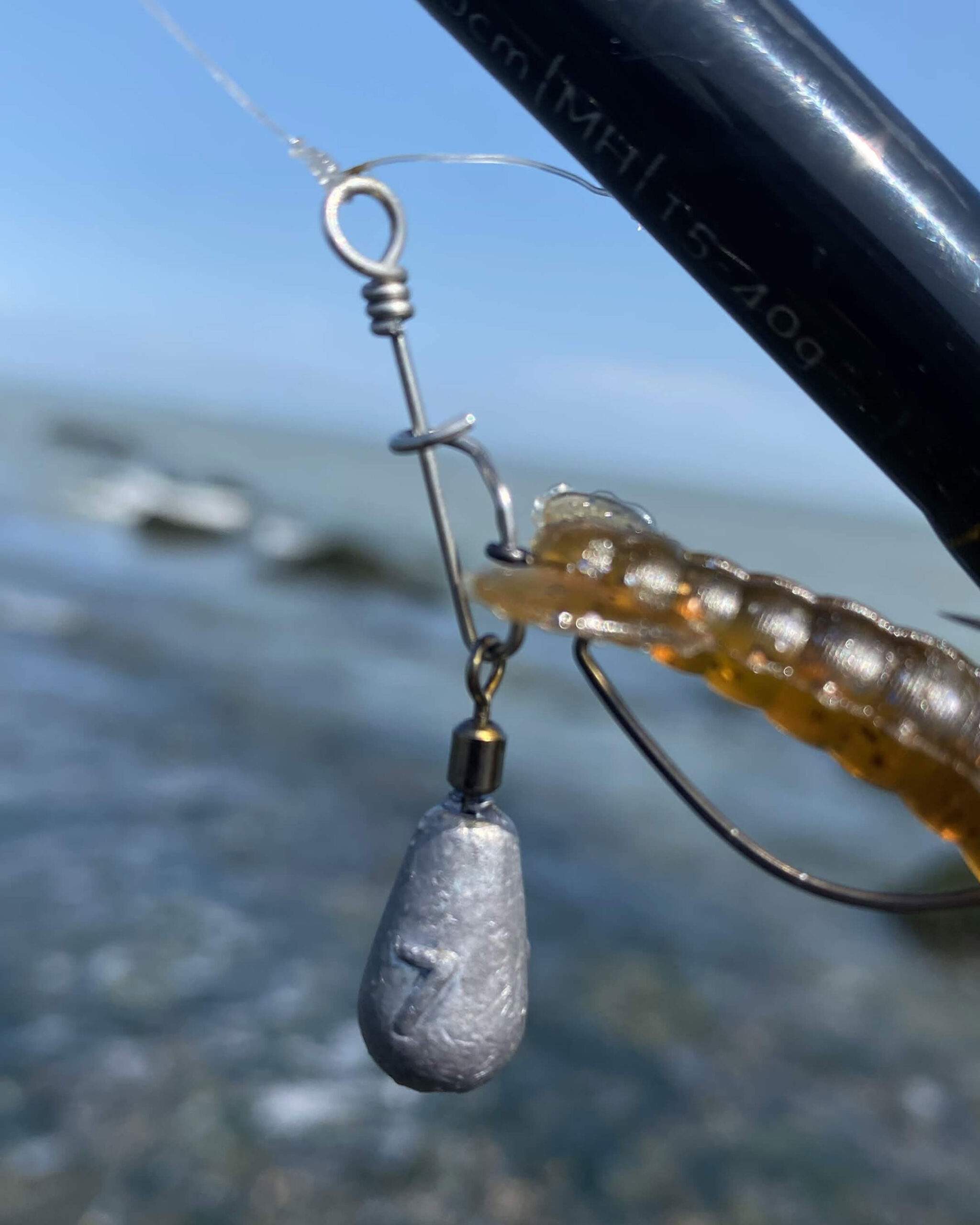
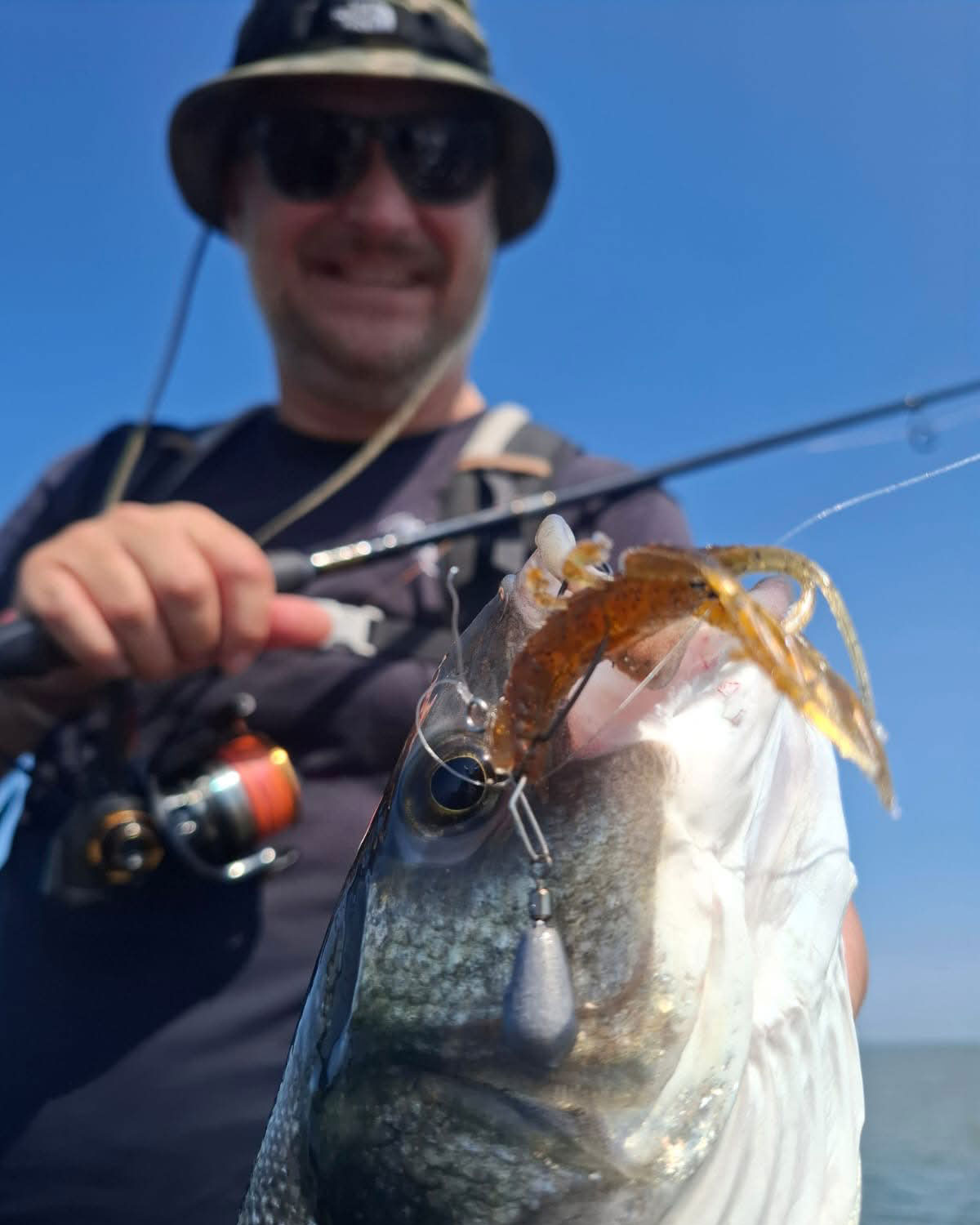
Over the last few days, the rig that has given me the best results has been a variation of the Tokyo rig.
I rig my lure weedless to avoid collecting seaweed. I then add an Arlesey weight so that I can quickly adjust the weight of the rig to suit the conditions.
This approach gives the lure greater freedom of movement, allowing it to make small hops along the bottom like a moving crab.
I fish slowly, alternating short pulls and pauses while working alongside structures likely to shelter crabs, shrimp and small fish.
Believe me, sea bass rarely resist a Craw properly worked alongside structures.
Fred LeBaron